adenomyosis

Curious About IVF? Let's Talk.
Call Us:

8433954451

E-mail Us:

info@ahuranursinghome.in

adenomyosis treatment in malad west at ahura nursing home

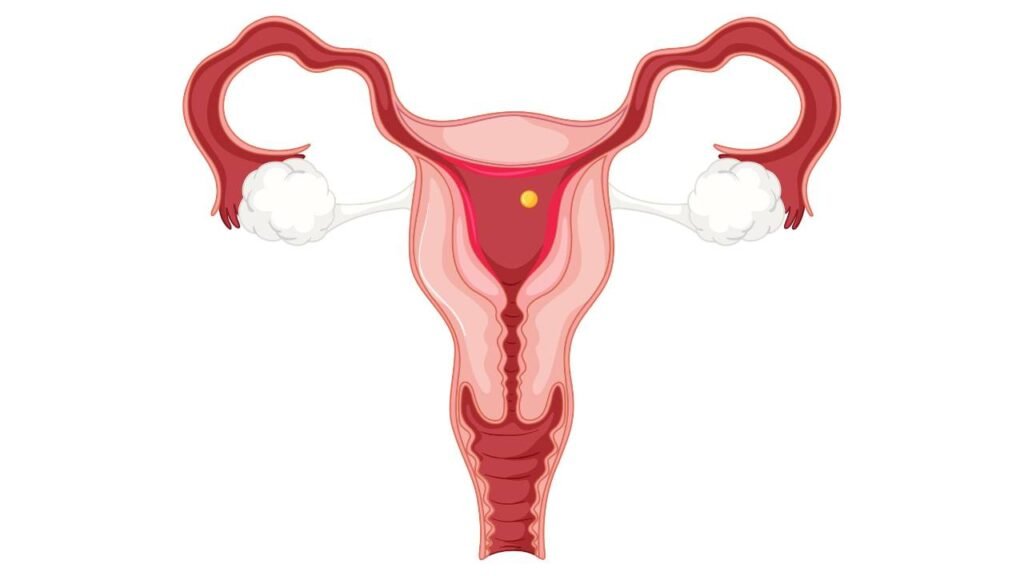
At Ahura Nursing Home, we provide comprehensive care for adenomyosis, a condition where the inner lining of the uterus (endometrium) grows into the uterine muscle (myometrium). This can cause the uterus to become enlarged and lead to heavy menstrual bleeding, painful cramps, pelvic pressure, and fertility concerns.

Although adenomyosis can be challenging, our experienced gynecologists offer accurate diagnosis, advanced treatment options, and compassionate support to help women manage symptoms and improve their quality of life.
Why Choose Ahura Nursing Home for Adenomyosis Care?
  • Accurate diagnosis with advanced imaging (ultrasound, MRI) and clinical expertise.

  • Wide range of treatments—from medications to minimally invasive surgery.

  • Focus on symptom relief while preserving fertility whenever possible.

  • Experienced gynecologists skilled in managing complex uterine conditions.

  • Compassionate care tailored to your age, symptoms, and health goals.

Common Symptoms of Adenomyosis
  • Heavy or prolonged menstrual bleeding

  • Severe menstrual cramps (dysmenorrhea)

  • Chronic pelvic pain or pressure

  • Enlarged or tender uterus

  • Pain during intercourse

  • Infertility in some cases

Frequently asked question

Q1: Is adenomyosis the same as endometriosis?

No. While both involve endometrial tissue, adenomyosis occurs inside the uterine muscle, whereas endometriosis occurs outside the uterus.


Yes, adenomyosis can sometimes interfere with implantation and pregnancy, but many women with adenomyosis can still conceive with proper treatment.

It can be suspected through pelvic exams, ultrasound, or MRI. In some cases, definitive diagnosis may occur after surgery.


Not always. Many women manage symptoms effectively with medications or hormonal therapies. Surgery is considered if symptoms are severe and persistent.

Adenomyosis often improves after menopause since it is hormone-dependent, but treatment is recommended for women with significant symptoms before then.